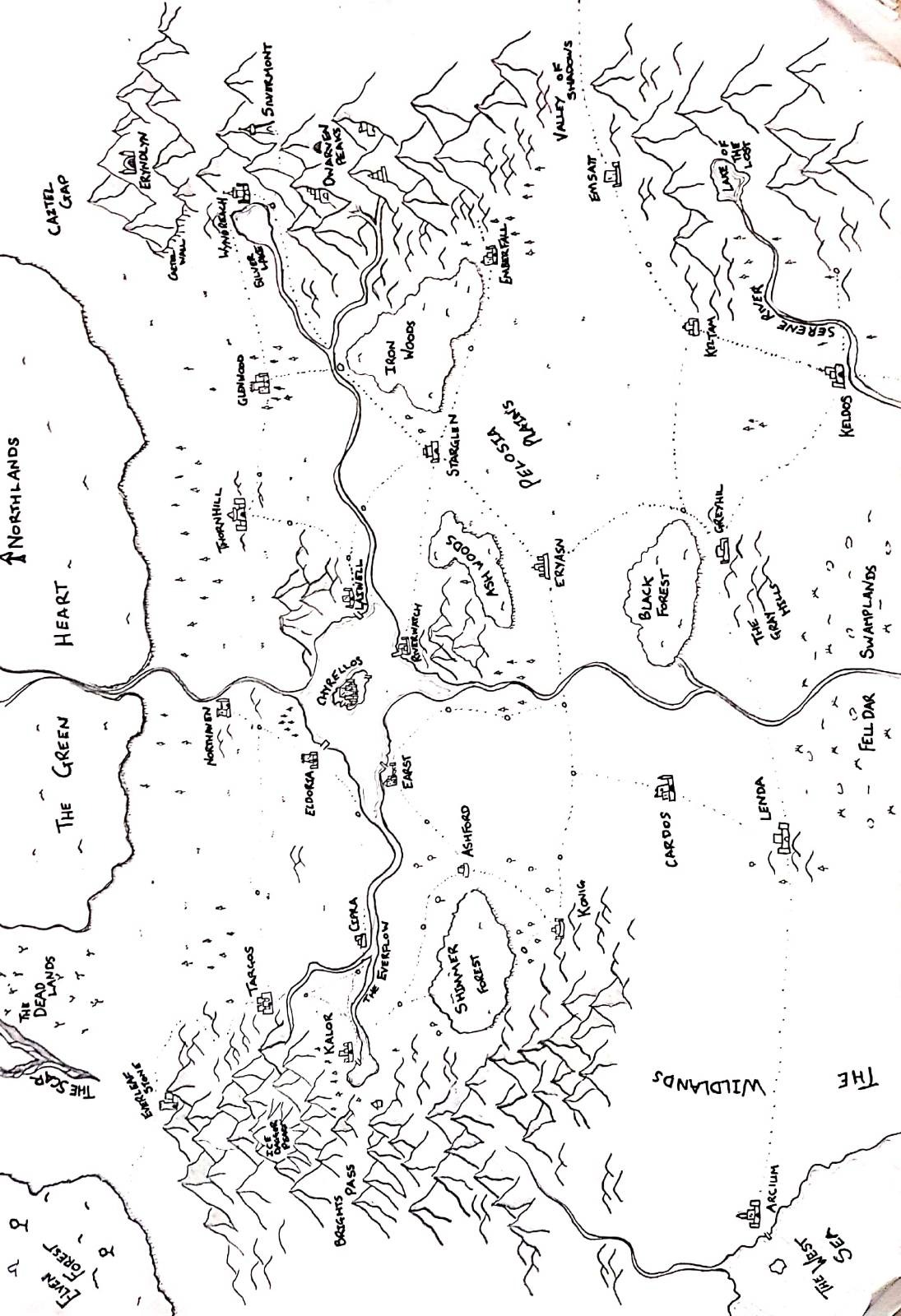
Starfall
hometown for Marius
Middling town with strong orchard culture, lots of platations for coffee and similar tempermant fruits around.
Noble has a keep where they manage the town and surrounding areas from, small guard force as the echo-knight castle is nearby and trainees are often patrolling the area and knights maintain a barracks in town for those that are on leave.
Strong performace culture as the town is built around a crater that has been turned into an ampitheater
Town if fairly rich as a result
Buildings have a northern italian /tuskan theme
The Meteor hit changes the composition of the soil of surrounding area, the ground itself hardly ever freezes even in the depth of winter when the surrounding towns are covered
The soil seems to be preferntial to trees
The meteor itself shattered and small pieces are often found miles away
These shards either attract or breed meteor elementals
Other plants/flura
- Moonlit Ferns: A type of fern that glows in the moonlight, often used as a source of natural illumination.
slightly more Temperate versions of the following:
- Citrus Fruits: Various citrus fruits, such as oranges, lemons, and limes, are grown in regions with warm temperatures and well-drained soils. These conditions overlap with coffee-growing areas.
- Vanilla: Vanilla orchids thrive in tropical and subtropical climates, similar to coffee. They require a warm, humid environment with regular rainfall and well-drained soil.
-
Cacao (Cocoa): Cacao trees, which produce cacao beans used to make chocolate, often grow in regions with climates similar to coffee. Both coffee and cacao benefit from well-drained soil, consistent rainfall, and warm temperatures.
- Avocado: Avocado trees thrive in subtropical and tropical climates with well-drained soil. They are commonly grown in regions where coffee is cultivated.
- Nuts - macadamia like called star nuts
- The Tale of the Starfall Meteor: Locals believe that the town's prosperity began when a meteor struck the crater, blessing the land.
Buildings with a Northern Italian/Tuscan theme are characterized by their rustic charm, earthy colors, and architectural features that reflect the region's history and culture. Here's a description of what such buildings might look like:
**Exterior:**
1. **Terracotta Roofs:** The most iconic feature of Tuscan architecture is the use of terracotta roof tiles. These tiles give buildings a warm, reddish-brown hue and are often arranged in intricate patterns.
2. **Stucco Walls:** Buildings in Tuscan style typically have stucco or plaster-covered walls. The plaster can vary in color, ranging from creamy white to soft pastels, creating a pleasing contrast with the terracotta roofs.
3. **Rustic Stone:** Some buildings may incorporate exposed stone, especially around the foundations or as decorative elements. This stone often has a weathered and rough-hewn appearance.
4. **Wooden Shutters:** Many windows are adorned with wooden shutters, which can be closed during the hottest parts of the day to keep interiors cool. These shutters are often painted in earthy tones like olive green or muted blue.
5. **Balconies and Loggias:** Tuscan buildings often feature balconies with wrought iron railings, providing a spot to enjoy the views. Loggias, covered outdoor spaces with arched openings, are also common for shaded relaxation.
6. **Arched Doorways:** Arches are a key architectural element in Tuscan design. Doorways and windows are often framed with rounded arches, giving buildings a graceful and timeless look.
**Interior:**
1. **Exposed Wooden Beams:** Interiors may feature exposed wooden ceiling beams, adding warmth and a sense of history to the space.
2. **Stone or Tile Flooring:** Floors are typically made of stone tiles, terracotta, or hardwood, keeping interiors cool and complementing the rustic aesthetic.
3. **Wrought Iron Accents:** Wrought iron is used for light fixtures, stair railings, and decorative details, lending a touch of elegance to the interior.
4. **Mosaic Tiles:** In some Tuscan homes, you may find decorative mosaic tiles in kitchens and bathrooms, often featuring intricate patterns or nature-inspired designs.
5. **Fireplaces:** Many Tuscan homes have grand, stone-built fireplaces as both functional elements and focal points for gathering.
6. **Frescoes and Murals:** In older or more ornate buildings, you might find frescoes or painted murals on walls and ceilings, often depicting scenes from Tuscan history or the natural world.
7. **Rustic Furnishings:** Tuscan interiors are typically furnished with wooden or wrought iron furniture, often in simple and functional designs that emphasize comfort.
Overall, the Northern Italian/Tuscan architectural style is known for its harmonious blend of simplicity, elegance, and a strong connection to the surrounding natural landscape. These buildings have a timeless appeal that evokes a sense of warmth and history, making them a perfect fit for a D&D setting like Starfall.